
Witness Rare Corpse Flower Bloom at Frederik Meijer Gardens. Don’t miss Witness Rare Corpse Flower Bloom at Frederik Meijer Gardens! See this stinky wonder live & learn fun nature facts in Michigan.

The Spectacle of the Rare Corpse Flower Bloom
The moment when a colossal inflorescence rises from its bud signals a rare botanical marvel. Staff at Frederik Meijer Gardens prepare humid chambers, regulate temperature, & monitor soil moisture to coax the giant flower into full display. Visitors stand in awe as the purple-speckled spathe unfurls around a towering spadix that can reach over six feet in height. The stinky aroma, mimicking rotting flesh, attracts pollinators in the wild; here it draws curious onlookers fascinated by nature’s theatricality. Event schedules are posted online & updated continuously to reflect real-time progress of the bloom. Garden horticulturists share live data on spathe temperature, spadix color change, & scent intensity, offering a behind-the-scenes view that emphasizes scientific stewardship. Attendees often comment on the surreal atmosphere created by the dim lighting & overhead fans that direct the pungent fragrance through viewing corridors. This interplay of science, horticulture, & public engagement transforms a simple bloom into an unforgettable phenomenon.
| Date | Activity |
|---|---|
| April 3 | Pre-bloom temperature check |
| April 7 | Spadix emergence monitoring |
| April 9 | Full spathe unfurling |
Biological Characteristics of Amorphophallus titanum
Amorphophallus titanum, commonly known as the corpse flower, boasts one of the world’s largest unbranched flowering structures. Native to the rainforests of Sumatra, this tuberous plant spends up to a decade storing energy underground before bursting into bloom for just 24 to 48 hours. Its massive corm can weigh over 100 pounds & requires careful seasonal maintenance. Gardeners at Frederik Meijer Gardens track growth cycles using calorimetric sensors that gauge internal respiration rates. When the corm triggers flowering, stored starch converts into simple sugars fueling rapid cell expansion. Within hours, the spathe’s deep burgundy interior contrasts sharply with its pale green exterior, creating striking visual appeal. Researchers note that thermogenesis helps volatilize odor compounds to mimic decaying matter, luring carrion beetles & flies for pollination. Such dramatic biological traits inspire educational signage throughout the conservatory & bolster public curiosity about plant survival strategies.
-
Native Habitat: Sumatran Rainforest Ecosystems
-
Corm Weight: Up to 100 Pounds
-
Bloom Duration: 24–48 Hours
-
Thermogenesis: 36–40°C Internal Heat
-
Pollinators: Carrion Beetles & Flies
Environmental Conditions at Frederik Meijer Gardens
Creating optimal conditions for the Rare Corpse Flower Bloom demands precise climate control. Conservatory staff install humidity systems to maintain 70–80 percent moisture, simulating equatorial downpours. Powerful heaters & coolers relieve daily fluctuations in ambient temperatures, while UV-protected glazing filters harsh sunlight, ensuring consistent light diffusion. Soil composition blends sterilized loam, sand, & organic compost, promoting drainage without nutrient loss. Automated drip lines deliver balanced fertilizer directly to the root zone. Air circulation fans disperse ethylene gas emitted during flowering, preventing gas buildup that could inhibit spathe expansion. Surveys of ecosystem simulations reveal strong correlations between stable microclimates & bloom success rates. These efforts minimize plant stress & drive repeat flowering cycles, contributing to global research on Amorphophallus cultivation. Field trials at other botanical centers validate the protocols refined at this Midwestern conservatory.
| Parameter | Target Range |
|---|---|
| Humidity | 70–80% |
| Soil pH | 5.5–6.5 |
| Temperature | 24–28°C |
| Light Level | 1,000–1,500 lux |
Pollination Strategies & Intriguing Odor Release
Garden scientists actively study how thermogenesis triggers odor emission during the Rare Corpse Flower Bloom. As the spadix warms, volatile sulfur compounds vaporize, releasing scents resembling decaying organic matter. In the wild, this strategy attracts saprophagous insects that inadvertently transfer pollen. At Frederik Meijer Gardens, staff introduce captive-bred fly populations to accelerate pollination in controlled settings. Researchers track insect visitation rates using high-speed cameras & infrared sensors. After spadix temperatures peak, pollen matures inside anthers that open sequentially; this staged release prevents self-pollination. Curators collect pollen samples & orchestrate cross-pollination between genetically diverse specimens across international gardens. These efforts strengthen the genetic pool & support conservation initiatives. Public programs demonstrate how human intervention can mimic natural processes to preserve endangered flora.
-
Thermogenic Peak: 24–36 Hours After Spike Erection
-
Pollen Collection: Manual Harvesting with Sterile Tools
-
Insect Introduction: Controlled Fly Enclosures
-
Sequential Anther Development: Ensures Cross-Pollination
-
Genetic Exchange: Global Botanical Collaboration
Botanical Collection & Curatorial Approach
In a climate-controlled conservatory, curators nurture a diverse assemblage of rare plants alongside the centerpiece corpse flower. Collections feature orchids, ferns, bromeliads, & cycads, each requiring specific microenvironments. Curatorial rotations allow greenhouse sections to undergo routine maintenance without disrupting visitor pathways. Staff publish monthly bulletins documenting accession records, import permits, & propagation successes. Each specimen holds a unique accession number linking to a digital database with origin, health metrics, & bloom history. Educational labels offer transparent insights into ethical sourcing & seed exchange networks. By situating the Rare Corpse Flower Bloom within a broader botanical narrative, the garden fosters holistic appreciation for plant diversity & conservation. This scientific framework underlies all display design decisions, ensuring research remains central to public engagement.
| Plant Group | Display Count |
|---|---|
| Orchids | 120 Species |
| Ferns | 45 Species |
| Bromeliads | 30 Species |
| Cycas | 20 Specimens |
Visitor Guidelines for Experiencing the Bloom
To maintain a safe & immersive experience around the Rare Corpse Flower Bloom, the garden implements timed-entry tickets. Each 15-minute window admits a limited group of visitors to prevent overcrowding. Staff escort guests through designated pathways, ensuring camera flashes do not harm sensitive tissues. They encourage attendees to remain silent when entering viewing corridors to heighten sensory focus on the sulfurous aroma. Signage clarifies that transferring debris or external soil into the conservatory is prohibited, safeguarding the delicate microclimate. Caregivers receive priority booking for patrons with mobility needs & noise sensitivities. Post-bloom surveys collect feedback on crowd management, scent intensity, & overall satisfaction, guiding continuous improvements. These measures balance educational value with plant welfare, paving the way for repeat attendance.
-
Timed Tickets: 15-Minute Viewing Slots
-
Flash Photography: Prohibited Near Spathe
-
Accessibility: Wheelchair-Friendly Routes
-
Hygiene Protocols: No Outside Soil or Food
-
Feedback Surveys: Post-Visit Evaluation
Timing & Duration of the Bloom Event
Corpses flower timing hinges on corm maturity & environmental triggers. At Frederik Meijer Gardens, horticulturists chart growth phases using weekly caliper measurements that indicate stem thickening. When the central spadix angle shifts upward, staff prepare for imminent bloom. Typically, 6–12 weeks of monitoring precede the display. Once the spathe cracks, the entire flowering sequence unfolds in under two days. Peak olfactory impact lasts only 6–12 hours before spadix temperature cools & anthers wilt. The garden broadcasts real-time updates via social media, alerting followers to rush for last-minute viewing. Local news outlets cover the event as a natural spectacle, amplifying public awareness. Such coordinated communication mobilizes tens of thousands to plan visits within tight windows, underscoring the flower’s fleeting nature.
| Monitoring Phase | Duration |
|---|---|
| Corm Assessment | 4–6 Weeks |
| Spike Emergence | 1–2 Weeks |
| Full Bloom | 24–48 Hours |
Educational Programs Surrounding the Rare Corpse Flower Bloom
Through hands-on workshops, visitors learn propagation methods & conservation principles tied to Amorphophallus titanum. Interactive lectures highlight endemic Sumatran ecosystems & threats from deforestation. Students dissect models illustrating thermogenic mechanisms & odor compound structures. Field educators organize seed-collecting drills using sterile kits, instilling best practices for botanical research. Virtual reality stations transport guests into forest understories, providing context for in-situ conservation. Teachers receive curriculum guides linking bloom biology to STEM standards. Seasonal camps immerse young participants in greenhouse rotations, helping staff repot juvenile specimens. This multifaceted approach fosters rooted connections between learners & living collections, reinforcing the significance of preserving rare species.
-
Hands-On Workshops: Propagation Techniques
-
Virtual Reality: Sumatran Understory Tours
-
Lecture Series: Thermogenesis Insights
-
Seed Kit Drills: Sterile Collection Practices
-
STEM Curriculum: Standards Alignment
Conservation Impact Driven by Public Engagement
By hosting the Rare Corpse Flower Bloom, Frederik Meijer Gardens raises awareness & funding for global conservation. Ticket revenue supports in situ protection projects in Indonesia & educational outreach in underfunded communities. Partnerships with non-profits enable seed exchange programs that bolster genetic diversity among international garden networks. Volunteer docents command public forums where they emphasize habitat restoration & anti-logging initiatives. Social media campaigns encourage micro-donations, generating tens of thousands of dollars in minutes during peak bloom days. These funds finance remote sensor installations on Sumatran plantations, monitoring illegal activities in real time. This cycle bloom event to conservation investment exemplifies how botanical display can translate into tangible environmental stewardship.
| Funding Source | Allocation |
|---|---|
| Ticket Sales | 60% Restoration Projects |
| Donations | 25% Educational Outreach |
| Merchandise | 15% Seed Exchange Programs |
Behind-the-Scenes Care & Horticultural Techniques
In spaces shielded from public view, horticulturists tend sprouted corms in propagation chambers set to simulate tropical diurnal rhythms. They prune competing sucker shoots to concentrate energy on the primary bud. Root health receives priority: technicians manually aerate the substrate to prevent anaerobic pockets. Watering occurs at dawn when respiration rates drop, reducing stress. Mineral supplements calibrate phosphorus & potassium levels essential for flower initiation. Biweekly microscope inspections identify fungal spores or nematodes early, triggering spot treatments with biological fungicides. Staff rotate pots weekly to ensure uniform light exposure & trunk thickening. Every procedure aims to guarantee a robust bloom, rewarding the thousands who visit to Witness Rare Corpse Flower Bloom at Frederik Meijer Gardens.
-
Substrate Aeration: Manual Root Treatment
-
Microscopic Health Checks: Biweekly Inspections
-
Fertilization Schedule: Phosphorus & Potassium
-
Photoperiod Control: Simulated Day/Night Cycles
-
Sucker Pruning: Energy Concentration
Community Reactions & Media Coverage
Local news stations broadcast the spectacle live, interviewing experts & capturing visitor awe. Social media hashtags trend regionally as patrons share smartphone snapshots of the dramatic spathe curve. Bloggers craft detailed reviews, praising the staff’s knowledge & the garden’s organization. Comments section threads fill with questions about scent intensity, image-sharing etiquette, & best viewing angles. Local businesses partner with the garden, offering special lodging deals & bloom-themed menus. This regional buzz drives tens of thousands of visitors within a 50-mile radius. Feedback forms indicate that the stigma around “stinky flowers” dissolves once guests experience the novelty & scientific intrigue firsthand.
| Media Outlet | Coverage Type |
|---|---|
| Local TV News | Live Interviews |
| Garden Bloggers | Photo Essays |
| Social Platforms | Hashtag Campaigns |
Photography & Social Media Etiquette
To preserve plant health & visitor comfort, the conservatory enforces a no-flash policy during the bloom. Photographers learn to adjust ISO & aperture settings for low-light conditions. Staff recommend maintaining at least five feet of clearance around the inflorescence to avoid microclimate disruption. A social media station offers professional prints & wi-fi access, allowing guests to share moments without crowding near the spathe. Informational placards detail best hashtags, encouraging global audiences to explore conservation stories linked to the bloom. This curated approach balances public creativity with botanical preservation, ensuring that everyone can document & disseminate the event responsibly.
-
No Flash Photography: Protects Tissue Integrity
-
Distance Recommendations: Maintain Five Feet
-
Social Station: Prints & Wi-Fi Sharing
-
Hashtag Guide: #MeijerCorpseFlower
-
Tripod Use: Restricted to Back Rows
Scientific Research Enabled by the Bloom
Researchers partner with the garden to analyze volatile compounds emitted during anthesis. Gas chromatography separates sulfur molecules, aiding in scent profile mapping. Comparative studies evaluate differences between cultivated specimens & wild populations in Sumatra. Geneticists extract DNA samples from petiole tissues to assess genetic drift & mutation rates across generations. Controlled crosses generate seeds for ex situ preservation in seed banks worldwide. Data sets feed into predictive models that forecast bloom probabilities based on environmental factors, refining cultivation protocols. By turning a public display into a research platform, Frederik Meijer Gardens advances global knowledge of rare plant biology.
| Study Focus | Method |
|---|---|
| Scent Profiling | Gas Chromatography |
| Genetic Diversity | DNA Sequencing |
| Bloom Forecasting | Statistical Modeling |
Volunteer Opportunities & Support Initiatives
Volunteers form the backbone of public engagement during the corpse flower bloom. They receive training in plant identification, tour guiding, & crowd control. Each volunteer completes a certification workshop covering scent sensitivity, safety protocols, & interpretive techniques. Volunteer coordinators assign shifts for ticket booth operations, tour escort duties, & hospitality assistance. In return, participants gain behind-the-scenes access to greenhouses, meet horticultural experts, & earn continuing education credits. Support initiatives include donation drives for educational materials & conservation fundraisers held alongside bloom viewings. This community-driven effort amplifies the reach & impact of the event, fostering a shared sense of stewardship.
-
Certification Workshop: Plant ID & Safety Protocols
-
Tour Escort: Guided Walkthroughs
-
Ticket Booth: Sales & Information
-
Donation Drives: Fund Education & Conservation
-
Continuing Education: Credit Opportunities
Future Prospects for Rare Corpse Flower Bloom at Frederik Meijer Gardens
Looking ahead, garden staff plan to integrate augmented-reality experiences that overlay historical bloom data onto real-time views. Engineers are prototyping wearable sensors that record individual visitor reactions to odor intensity, temperature change, & visual impact. These biometric data sets may reveal correlations between environmental stimuli & human emotional responses. Meanwhile, curators explore cross-institutional collaborations to exchange Amorphophallus cultivars, expanding genetic repositories. Fundraising campaigns aim to underwrite research fellowships focused on plant thermogenesis & pollinator behavior. These forward-thinking initiatives ensure that each future bloom evolves beyond display, embodying both immersive education & cutting-edge research.
| Innovation | Development Stage |
|---|---|
| Augmented Reality Tours | Pilot Testing |
| Visitor Biometric Sensors | Prototype Phase |
| Global Cultivar Exchange | Agreements Drafted |
Historical Breeding Successes at Botanical Sites
Botanical gardens worldwide have logged the first cultivated blooms of Amorphophallus titanum as landmark achievements. From Kew Gardens’ inaugural mid-19th-century bloom to modern hybridization projects in Asia, each successful display contributed to plant science. Frederik Meijer Gardens community learned from these precedents, adapting proven fertilization schedules & cross-pollination techniques. Historical records reveal that early failures often resulted from inadequate humidity & nutrient imbalances. Gardeners studied these cases, refining soil recipes & greenhouse design. These cumulative insights now enable more frequent flowering & healthier specimens, reinforcing the value of knowledge sharing among institutions dedicated to preserving this botanical rarity.
-
Kew Gardens: First Cultivated Bloom, 1889
-
Singapore Botanic Gardens: Hybrid Trials
-
Chicago Botanic Garden: Scent Profiling
-
Meijer Gardens: Cross-Pollination Records
-
Global Networks: Seed Exchange Forums
Global Significance of Witnessing the Rare Corpse Flower Bloom
Across continents, enthusiasts travel to witness this fleeting spectacle, creating a network of botanical pilgrimage sites. Each bloom underscores the urgent need to protect native habitats from logging & agricultural expansion. Gardens leverage these visits to promote sustainable living & plant conservation charities. By enabling individuals to Witness Rare Corpse Flower Bloom at Frederik Meijer Gardens, organizers transform passive admiration into active conservation support. The collective response funding, volunteerism, & scientific collaboration drives global efforts to safeguard biodiversity. Ultimately, the corpse flower’s dramatic appearance becomes a rallying point for ecological responsibility.
| Region | Annual Bloom Events |
|---|---|
| North America | 8 Facilities |
| Europe | 5 Facilities |
| Asia | 6 Facilities |
“Watching the spike of the giant inflorescence unfold in that brief window astonishes even seasoned gardeners.”
Vivian Hoeger
The Phenomenon of the Corpse Flower Bloom at Frederik Meijer Gardens
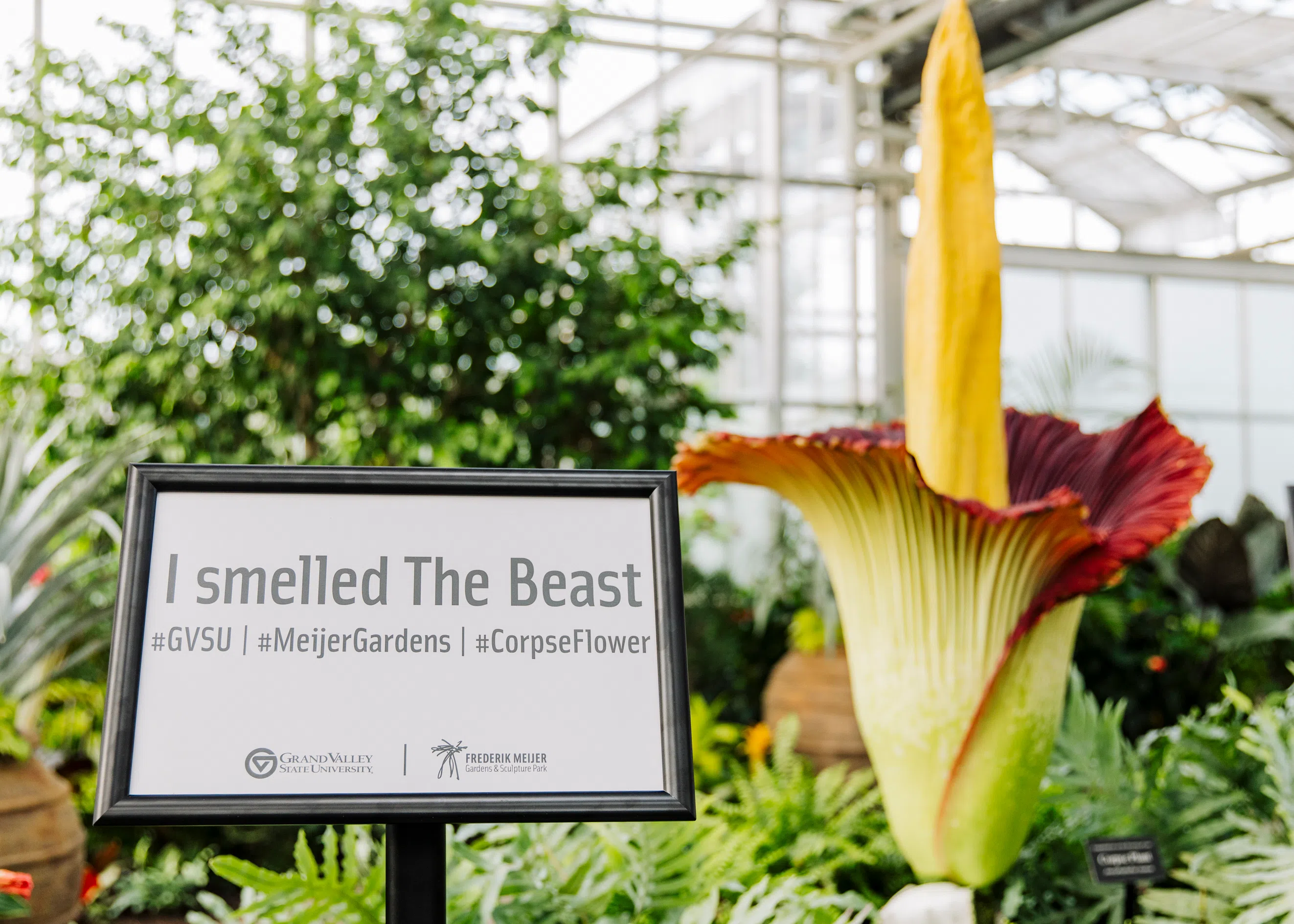
Few botanical events stir as much excitement as the moment when the titan arum unfurls its massive spadix. Visitors flock to witness the spectacle commonly described as Witness Rare Corpse Flower Bloom at Frederik Meijer Gardens. With a spathe that can stretch over six feet & hues shifting from deep maroon to pale green, each stage of development commands attention. Garden staff monitor temperature, humidity, & light to spark a bloom that opens overnight & lasts only a brief window sometimes less than 48 hours. Crowds gather before dawn, drawn by the promise of an olfactory assault & a chance to observe nature’s dramatic display. Experts record every stage of swelling bud, tracking progress in detailed logs & sharing updates via social media channels. Research partners study the bloom’s timing, hoping to pinpoint the environmental triggers that signal this rare event.
| Feature | Detail |
|---|---|
| Peak Height | Up to 10 feet |
| Bloom Duration | 24–48 hours |
Historical Milestones of Amorphophallus titanum Exhibitions
Since the 19th century, botanical institutions have attempted to cultivate the titan arum outside its native Sumatra habitat. The first successful bloom in North America occurred in 1937 at the New York Botanical Garden. Over the decades, each new display built public fascination, leading to higher attendance & media coverage. Frederik Meijer Gardens recorded its inaugural bloom in 2008, marking a critical milestone for the regional horticulture community. Staff collaborated with international experts to share propagation techniques, ensuring genetic diversity & healthier subsequent blooms. Each milestone fueled deeper research into plant physiology, feeding a cycle of continuous improvement. By analyzing soil composition & microclimate adjustments, the gardens achieve more predictable bloom windows. Visitors began to plan annual trips specifically to catch this fleeting moment of natural drama, making the event a regional cultural highlight.
-
1937: First U.S. Bloom at NYBG
-
2008: First Bloom at Frederik Meijer Gardens
-
2015: Expanded Glasshouse Installation
-
2021: Virtual Live-Stream Launch
Seasonal Timing for Observing the Corpse Flower
Although unpredictable, titan arum blooms usually occur between late spring & early fall. At Frederik Meijer Gardens, staff report increased chances in July & August, when greenhouse conditions can be most closely aligned with the plant’s tropical origins. Horticulturalists maintain night temperatures around 70°F & daytime highs near 85°F, supplemented with misting systems to simulate rainforest humidity. These conditions coax the underground corm into producing a bud that grows several inches each day. Visitors who plan their visit during this window enjoy higher probabilities of seeing an imminent bloom. The gardens publish growth updates twice weekly, featuring close-up photos of the emerging spadix. Enthusiasts & local media share these bulletins, heightening anticipation.
| Month | Bloom Likelihood |
|---|---|
| June | Moderate |
| July | High |
| August | High |
| September | Low |
Botanical Characteristics of the Titan Arum
Amorphophallus titanum stands out with its enormous inflorescence, featuring a textured spathe that wraps around the central spadix. Inside, tiny female & male flowers develop in sequence, reducing self-pollination risk. The flashy coloration & mottled patterns of the spathe mimic decaying flesh, a tactic that lures carrion beetles & flies. When the bloom peaks, the spadix emits a pungent smell resembling rotting meat. This aroma, strongest at dusk & dawn, intensifies insect activity, ensuring pollen transfer. Under optimal care, the corm can regenerate blooms every few years, though many specimens require extended recovery periods underground before producing another flowering event. Botanists continue to study corm metabolism to better understand nutrient allocation & improve bloom frequency without stressing the plant’s energy reserves.
-
Spadix Height
-
Spathe Diameter
-
Flower Lifecycle
-
Pollination Strategy
Visitor Tips for the Bloom Season
To maximize your opportunity to Witness Rare Corpse Flower Bloom at Frederik Meijer Gardens, plan a morning visit & arrive at least thirty minutes before the botanical display opens. Wear lightweight, breathable clothing to adapt to slightly higher humidity levels inside the greenhouse. Bring a refillable water bottle & check the gardens’ web pages for real-time bloom progress. Photo policies vary by location, so confirm whether tripods or professional lighting require special permission. If you’re sensitive to strong odors, carry a handkerchief treated with essential oils or take periodic breaks outdoors. Keep children & seniors close, since crowds often gather in a confined glasshouse space. By coordinating arrival times with published growth bulletins, you’ll optimize the chance to see the spathe crack open & reveal its interior textures.
| Tip | Benefit |
|---|---|
| Early Arrival | Secure Front-Row View |
| Check Updates | Avoid Empty Displays |
| Bring Water | Stay Comfortable |
| Mask or Handkerchief | Manage Odor |
Photography Guidelines for Capturing the Rare Bloom
Enthusiasts eager to document each stage should consider a wide-angle lens to capture the full scale, then switch to macro settings for intricate details of the spathe’s veins. Use manual focus to lock in on the patterned surface & adjust exposure compensation to handle the bright greenhouse light. Many photographers position themselves at a slight angle as the spathe begins to open, capturing the dramatic reveal of the spadix. Avoid using flash directly on the plant; instead, rely on natural diffusion from glass panels. Time-lapse sequences offer engaging content for social media, recording growth overnight into a brief video. If you include people in your frame, secure their permission for publication. For optimal image quality, shoot RAW & process colors carefully to highlight the bloom’s natural gradients.
-
Wide-Angle Shots
-
Macro Close-Ups
-
Time-Lapse Videos
-
Permission for People
Educational Programs & Guided Tours
Frederik Meijer Gardens offers specialized tours that dive deep into the biology of the titan arum. Led by experienced horticulturists, these sessions explore corm care, soil composition, & pollination methods. Attendees can ask questions about nutrient mixtures & greenhouse engineering. Interactive stations allow participants to inspect cross-sections of older corms, revealing growth rings & energy storage patterns. Students receive worksheets to track bloom progress & learn insect behavior in pollination. Group sizes remain small to encourage discussion & ensure close-up viewing of the bloom as it emerges. Schools often book field trips during peak bloom windows, & summer camps feature hands-on activities like planting companion species & constructing model greenhouses.
| Program Type | Age Group |
|---|---|
| Guided Greenhouse Tour | All Ages |
| Student Workshop | Grades 3–12 |
| Adult Seminar | 18+ |
Conservation Efforts & Research Initiatives
Horticultural teams collaborate with global botanical institutions to preserve Amorphophallus titanum genetic diversity. Seed banks store genetic material, while tissue culture laboratories propagate clones without exhausting wild populations. Ongoing research examines the plant’s response to environmental stressors, testing adaptive traits under varying light regimes. Garden staff submit data to international networks, shaping conservation policies that prioritize habitat preservation in Southeast Asia. Fungal associations in the soil also draw scientific interest, as they can enhance corm nutrient uptake. Public lectures showcase these efforts, raising awareness about threats to natural rainforest habitats & encouraging citizen support for conservation.
“Watching each bloom unfold has shown me how vital collaboration is to protecting rare species.” – Erika Cassin
-
Seed Banking
-
Plant Tissue Culture
-
Habitat Preservation
-
Soil Microbe Studies
Behind-the-Scenes: Horticulture Team Preparations
Weeks before a projected bloom, horticultural specialists adjust water schedules & fertilize with high-phosphorus blends to promote bud development. They inspect greenhouse seals, ensuring temperature remains constant & drafts stay out. Every morning, staff measure spathe diameter & spadix height, maintaining logs that correlate growth spurts with environmental changes. Technicians calibrate misting nozzles to deliver fine droplets, simulating natural rainfall patterns. During late bud expansion, team members clear pathways for visitors to prevent accidental contact & potential damage to the fragile spadix. Each preparation step reflects years of trial, practice, & keen attention to the plant’s specific signals, culminating in that unforgettable first opening.
| Preparation Task | Timing |
|---|---|
| Fertilization | 4 Weeks Prior |
| Humidity Adjustment | 2 Weeks Prior |
| Seal Inspection | 1 Week Prior |
Scent Profile: Understanding the Aroma
Many describe the titan arum’s odor as a rancid blend of rotting meat, fermented fruit, & sharp vinegar notes. The scent peaks at dusk, when thermogenesis the process of heat generation intensifies the release of volatile compounds. These molecules mimic the smell of carrion, drawing beetles & flies that feed on decaying matter. As insects explore the bloom, they inadvertently collect & transfer pollen. Scientists record scent intensity using portable gas chromatographs, correlating specific chemical markers with insect visitation counts. Visitors with sensitive noses may find the experience overwhelming, while others label it a thrilling reminder of ecological interactions that often go unnoticed in day-to-day life.
-
Volatile Compounds
-
Thermogenesis Effect
-
Peak Scent Timing
-
Insect Attraction
Community Events & Special Bloom Celebrations
Local artists collaborate with the gardens to host bloom-themed art shows, while live music events set the mood around blooming hours. Food trucks stationed near the glasshouse serve specialty dishes inspired by tropical flavors. Several non-profit groups stage fundraisers that coincide with high-attendance days, using proceeds to support invasive species research. Schools bring choir performances to celebrate each new opening, creating a festive atmosphere that extends beyond the greenhouse. Social media challenges invite visitors to share their bloom photos using specific hashtags, with the chance to win annual memberships or behind-the-scenes tours. These community-driven activities highlight the cultural impact that a single botanical event can generate.
| Event | Date |
|---|---|
| Bloom Art Exhibition | July 15–July 30 |
| Live Concert Nights | Weekends in August |
| Charity Plant Sale | August 5 |
Dining & Amenities Near Frederik Meijer Gardens
After marveling at the titan arum, visitors can relax at the on-site café, featuring seasonal salads, paninis, & local craft beverages. Several nearby restaurants offer garden-to-table menus, incorporating fresh produce from regional farms. Picnic areas outside the greenhouse provide shaded seating, perfect for lunch breaks between exhibits. Gift shops stock branded water bottles, sun hats, & botanical journals so guests can document their observations. Restrooms, water refill stations, & stroller rentals ensure a comfortable visit. Weekend shuttle services connect to downtown Grand Rapids, making it easy to explore nearby attractions before or after your bloom-viewing experience.
-
On-Site Café
-
Picnic Areas
-
Gift Shop Merchandise
-
Shuttle Service
Accessibility & Transportation Options
The gardens offer complimentary parking with designated handicap spaces close to the main entrance. Wheelchairs & electric scooters stand ready for visitor use, provided on a first-come, first-served basis. Shuttle vans transport guests between overflow lots & glasshouse entrances on high-traffic bloom days. Bike racks encourage eco-friendly travel, & local bus lines include stops just steps from the ticket office. For those arriving by ride-share services, drop-off zones remain open all day. Clear signage & staff assistance ensure that visitors of all mobility levels can fully enjoy each stage of the blooming titan arum without unnecessary obstacles.
| Option | Details |
|---|---|
| Parking | Free, 2,500 Spaces |
| Mobility Rentals | Wheelchairs & Scooters |
| Shuttle Vans | Bloom Season Only |
Member Perks & Annual Pass Benefits
Annual members receive early notification alerts whenever the titan arum shows bud formation, guaranteeing exclusive viewing hours before general admission. Membership tiers include guest passes, behind-the-scenes tours, & discounts on workshops or specialty events. Lifetime members enjoy VIP parking & invitations to private receptions held during peak bloom moments. Renewing members gain credits toward educational classes, while families appreciate complimentary admission for children under twelve. Corporate group packages provide networking opportunities amid botanical displays, combining professional development with unique horticulture insights.
-
Early Access Tours
-
Guest Passes
-
Event Discounts
-
Exclusive Workshops
Preserving Memories: Souvenirs & Digital Keepsakes
Gift shops offer limited-edition prints of the titan arum by local photographers, as well as replica sculptures of the spathe in miniature form. Visitors can purchase custom postcards featuring time-lapse composites of the bloom’s progression. The gardens’ website provides downloadable high-resolution images & a digital guestbook that displays visitor reflections & photos. For a small fee, professional prints arrive by mail ready for framing. Digital packages include behind-the-scenes video footage of horticulture preparations & interviews with bloom specialists, making it easy to share the entire experience with distant friends & family.
| Product | Price |
|---|---|
| Art Print | $25 |
| Replicas | $40 |
| Digital Photo Pack | $15 |
A Personal Encounter with the Corpse Flower Bloom
I remember feeling my heart race as I stepped into the humid glasshouse just before dawn. I held my camera, adjusting its settings as the massive bud began to split, revealing deep maroon folds that almost seemed to glow. My excitement peaked when the first waft of scent drifted through the crowd sharp, pungent, & fascinating prompting whispered exclamations around me. I crouched lower to grab a close-up shot, capturing every ridge & crease of the spathe. I’ll never forget the collective gasp as the bloom fully opened, a moment when science, art, & raw nature came together in one awe-inspiring display.

What is the corpse flower & why is it unique?
The corpse flower, Amorphophallus titanum, is known for its massive inflorescence & strong odor that resembles rotting flesh. Its rare & unpredictable blooms draw large numbers of visitors to Frederik Meijer Gardens.
How often does the corpse flower bloom?
Corpse flowers typically bloom every seven to ten years, though timing varies by individual plant & growing conditions. Researchers at the gardens monitor growth patterns to forecast likely bloom periods.
How long does a single bloom last?
A bloom usually opens fully for about 24 to 48 hours before beginning to wilt. During this peak period, visitors can experience the full scent & spectacular size of the flower.
What conditions trigger flowering?
Flowering is influenced by factors such as temperature, light, & the plant’s age & health. At Frederik Meijer Gardens, temperature & humidity levels are carefully managed inside the Lena Meijer Tropical Conservatory to support growth.
What does the bloom smell like?
The odor is often compared to rotting meat, which attracts pollinators like carrion beetles & flies. The scent is strongest when the flower is fully open.
How can visitors find out when the flower is about to bloom?
The gardens provide updates through their website & social media channels. A bloom watch page & email alerts keep guests informed as the plant nears opening.
Where within Frederik Meijer Gardens can the corpse flower be seen?
The plant is located in the Lena Meijer Tropical Conservatory. Directional signs & staff members can guide visitors to the display area during a bloom.
Are there special events during a bloom?
Yes, the gardens often host guided tours, educational talks, & extended opening hours to accommodate larger crowds. Check the events calendar for schedules & registration details.
Is there an additional fee to see the bloom?
No extra charge is required beyond regular admission. Members of the gardens enjoy free entry & priority access during popular bloom periods.
Can visitors take photographs during the bloom?
Photography is welcome, but the use of flash or tripods may be restricted to protect the plant & ensure safety for all guests. Staff will provide guidance on photography rules.
How do gardeners care for the corpse flower between blooms?
After a bloom cycle, the plant enters a dormancy phase during which the foliage is allowed to rest. Team members continue to monitor soil moisture, light exposure, & fertilizer levels to promote future flowering.
Why is the corpse flower important to conservation efforts?
As a threatened species native to Sumatra, Amorphophallus titanum benefits from cultivation in botanical gardens. Public interest in its blooms helps raise awareness about habitat loss & the need for plant conservation.
Conclusion
Seeing a corpse flower bloom at Frederik Meijer Gardens is a rare & exciting event. This plant opens only briefly, giving visitors a glimpse of its unusual shape & strong scent. It’s a moment that brings people together to share wonder & surprise. Learning about the flower’s life cycle can make you appreciate how special it is when it finally blooms. When you walk through the greenhouse, you might feel a mix of curiosity & delight as you watch the giant petals unfold. If you get a chance to visit, you’ll treasure the memory of that odd & amazing sight.
